
Safety
bumpers
Protection takes shape.
Around the movement.
Where there is movement.
The response must be designed.
A pressure-sensitive safety bumper detects contact through compression. Its signal enters the machine’s safety function, together with the control unit and the stopping system.
A sensitive shape.
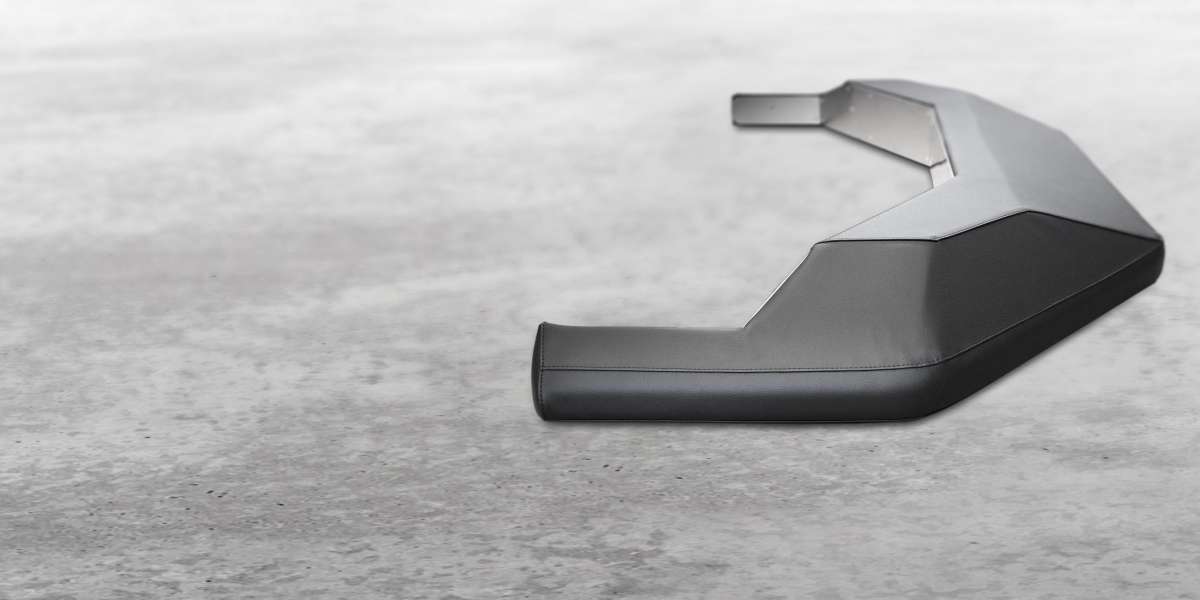
A deformable volume, designed on the parts of the vehicle or machine exposed to contact.
The space it needs.
Footprint, travel and motion conditions guide the sizing. Not just the looks.
Its own test.
Every bumper is tested individually and comes with the document reporting its measured performance.

Tailored to
your machine.
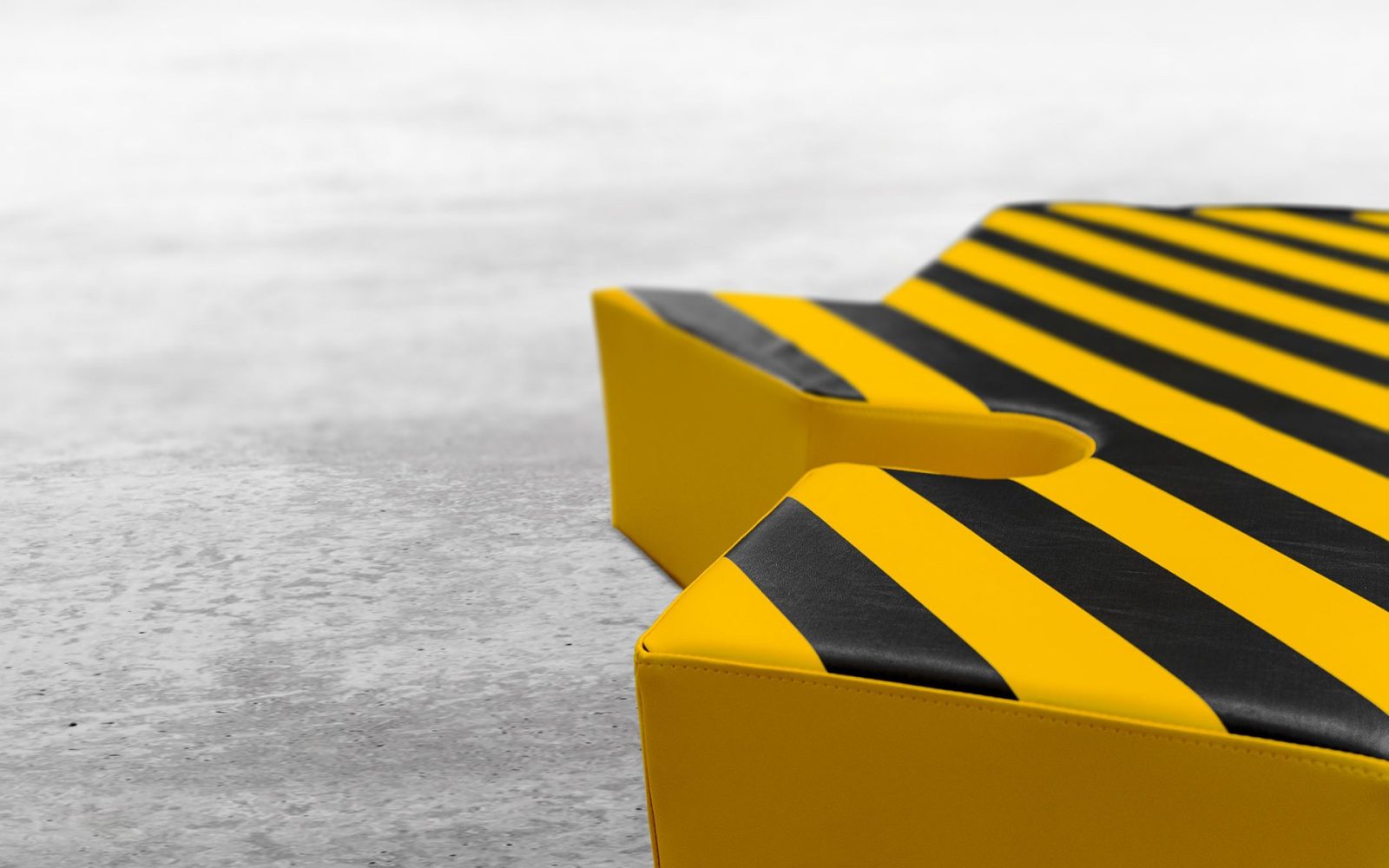
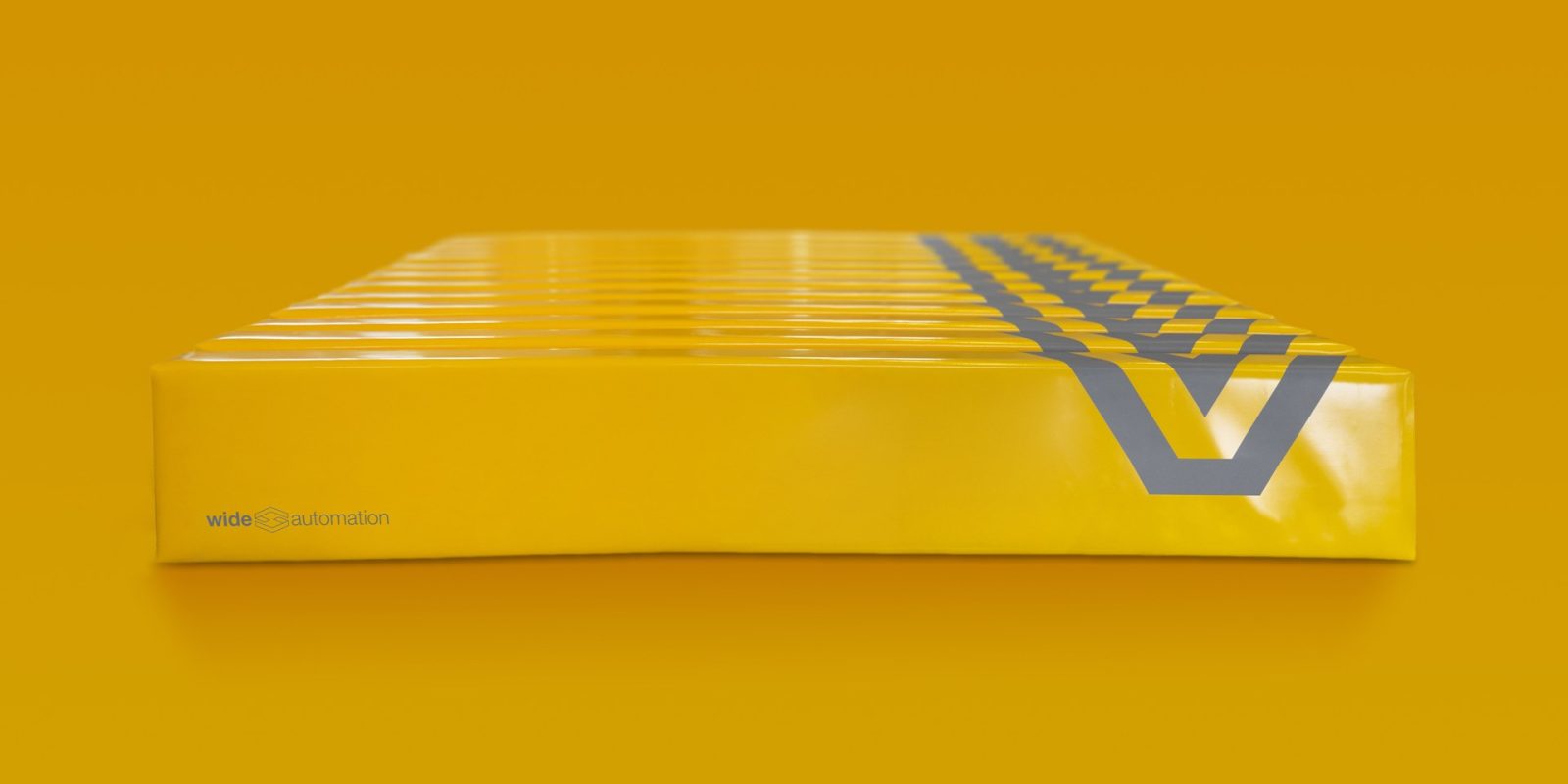
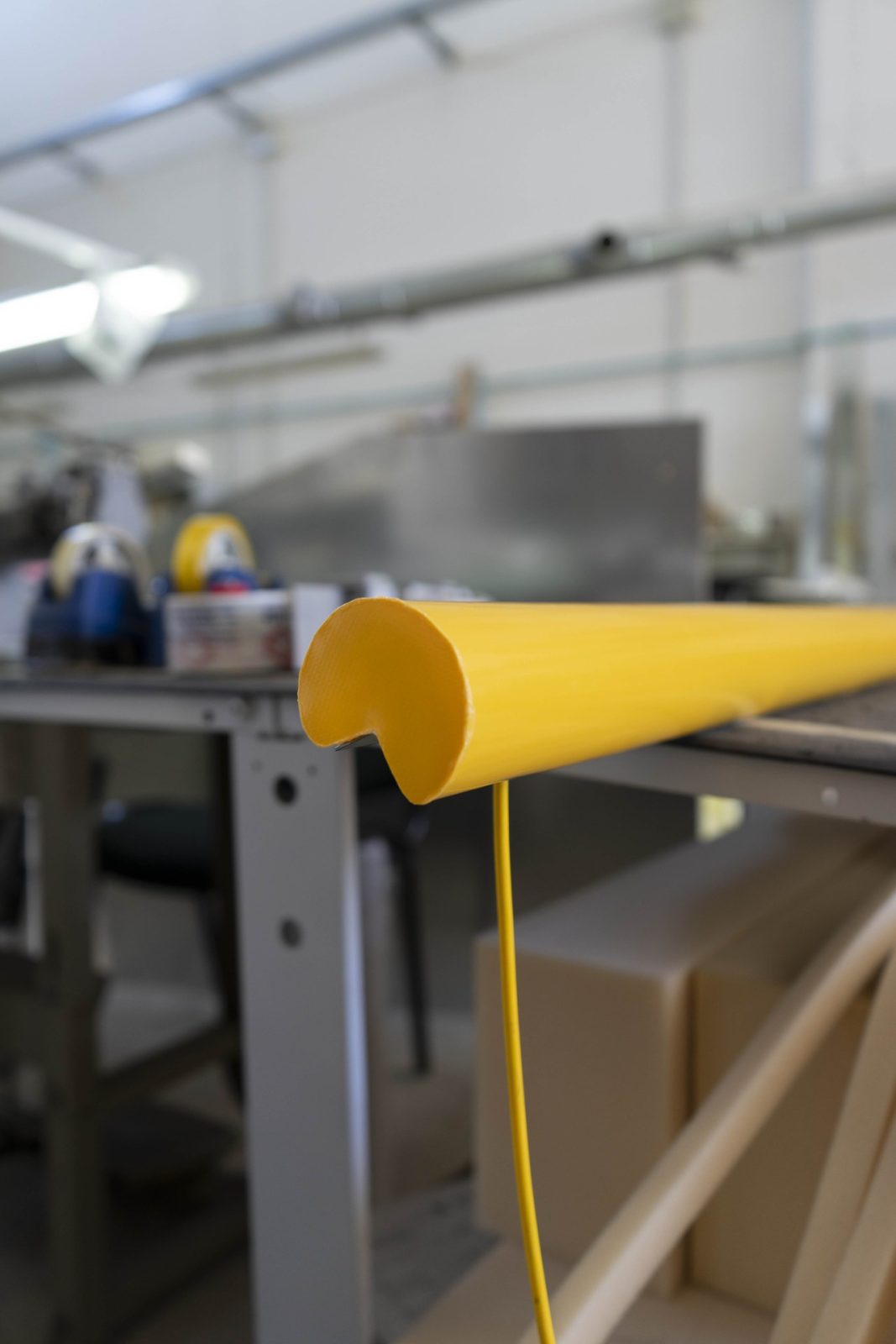
WIDE bumpers are made of foam resin, covered in PVC and sewn to the standards of fine Italian upholstery. Shape, volumes and finishes are defined on the project: the component follows the machine, not the other way round.
- Geometry and dimensionsFootprint and contact points
- Coverings and coloursConditions of use
- Cable exitIntegration on the vehicle
Contact.
Deformation. Signal.
The principle is understood with a gesture. The right configuration requires the design of the complete function.
Control module
At rest · no deformation
- 01
Contact.
The bumper surface meets an obstacle. The sensitive volume deforms.
- 02
Activation.
The compression activates the sensor and generates the signal to the associated control unit.
- 03
The complete function.
The control unit handles the signal within the intended stopping function. Available travel and stopping space are sized on the application.
Illustrative representation, not to scale. The deformation shown does not indicate dimensions, performance or stopping distances; it is not a construction drawing of the sensor.
The context changes.
The project follows it.
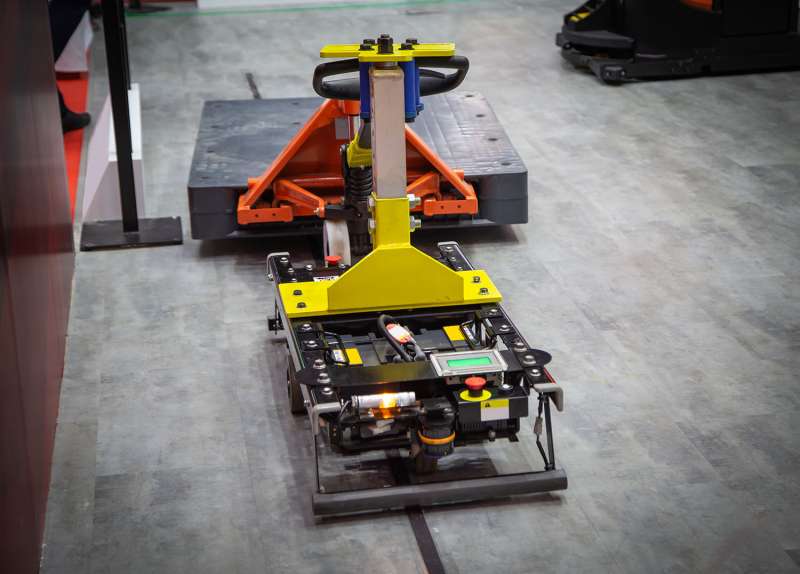
A vehicle in a warehouse and a robot working in the field need different assessments. The starting point is always the application.
Protect the movement.
Follow the vehicle.
Vehicle geometry, exposed parts, routes and stopping conditions guide the integration of the bumper.
Explore AGVs and AMRs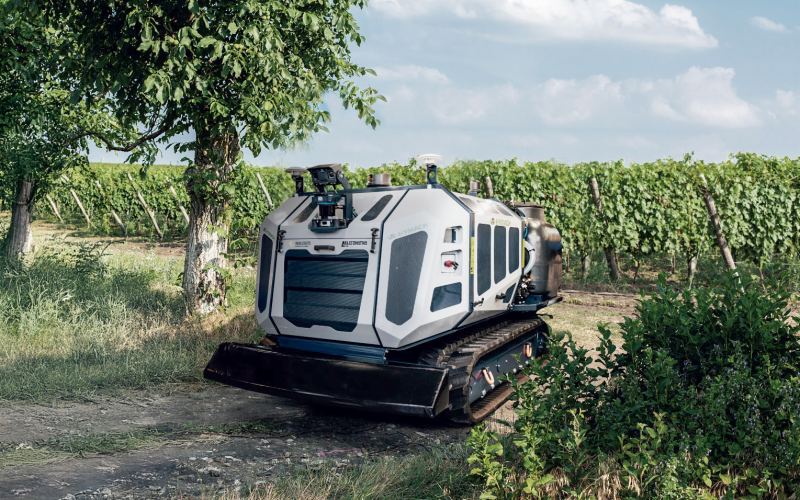
Outside the building.
Inside the project.
Environment, exposure and working conditions guide the choice of materials and protection for the component.
See the projectAlso on moving parts of industrial machines, covers and transport systems.The configuration must be verified case by case.
An application case: WIDE bumpers along the base of AUTODOP LAVONA, a machine for cleaning cheese ripening boards.Read the AUTODOP LAVONA case study ↗
Every bumper.
Its own ID card.
The shape is customised. Performance must also refer to that configuration: every bumper is tested individually and comes with the document reporting the measured values.
- 01The configuration is defined on the project.
- 02The single component is tested.
- 03The measured performance accompanies the delivery.
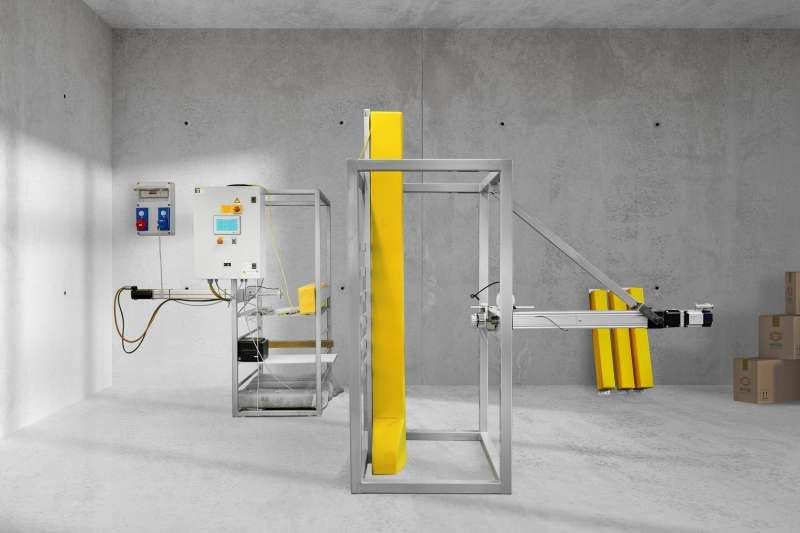
Not one figure for everyone.
The figures of your project.
A universal table does not describe a made-to-measure product. Before the specifications, we focus on three aspects.
Geometry.
Footprint, contact points, shape and space available to integrate the component.
Motion.
Working conditions, required travel and the machine’s response within the intended function.
Environment.
Conditions of use, exposure, covering, colours and connection exit.
The specifications of the proposed configuration are defined in the technical discussion and the quotation. Sizing must take into account the risk assessment and the real conditions of use.
Preparing a project? How to specify a safety bumper.The bumper is one part.
Safety is the whole.
Bumper, control unit, connections and the actuator that stops the movement make up a complete function. Risk assessment, installation and validation remain with the machine manufacturer or the competent person.
From component
to integration.
Brochure, wiring diagram and product documents. A clear access point for technical work.
Safety control unitsYour next bumper
starts with your application.
Tell us about the vehicle, the movement and the working environment. Together we define the starting configuration.
Tell us about your applicationA dedicated path for application requests.