
Safety bumpers for agricultural robots
and outdoor machines
Custom safety bumpers for machines working among crops and in grounds maintenance. The starting point is the vehicle, its potential contact points and its actual operating conditions.
Inside the application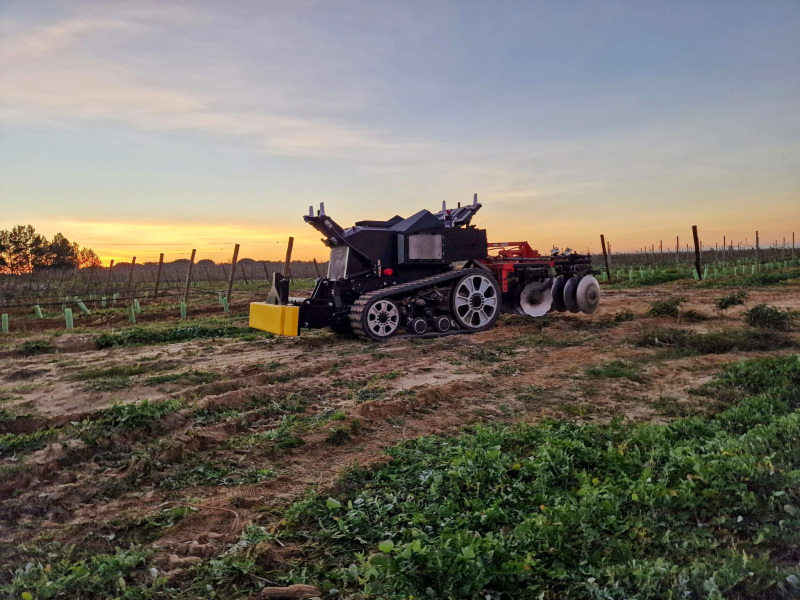
- Sector
- Agriculture and grounds maintenance
- Context
- Autonomous robots and remote-controlled machines
- Solution described
- Custom safety bumpers
The machine moves.
The environment changes.
An autonomous robot working between crop rows and a remote-controlled flail mower both operate outdoors, but their movements, controls and operating conditions differ. Protection must be defined for each machine.
Uneven ground, vegetation, dust and moisture are part of the technical discussion, alongside vehicle geometry, speed, routes and the presence of people. Environmental characteristics must be checked for the proposed component configuration.
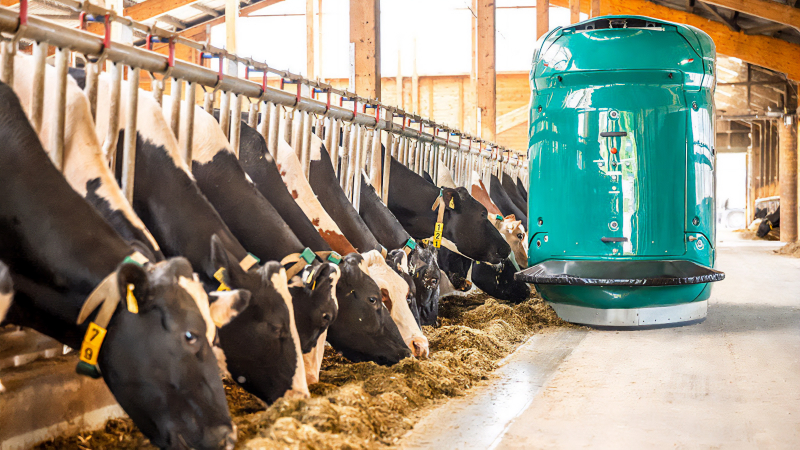
In livestock facilities, access routes, animals and cleaning procedures require a specific assessment. This is an application context to qualify; no measured results from a named livestock customer are presented here.
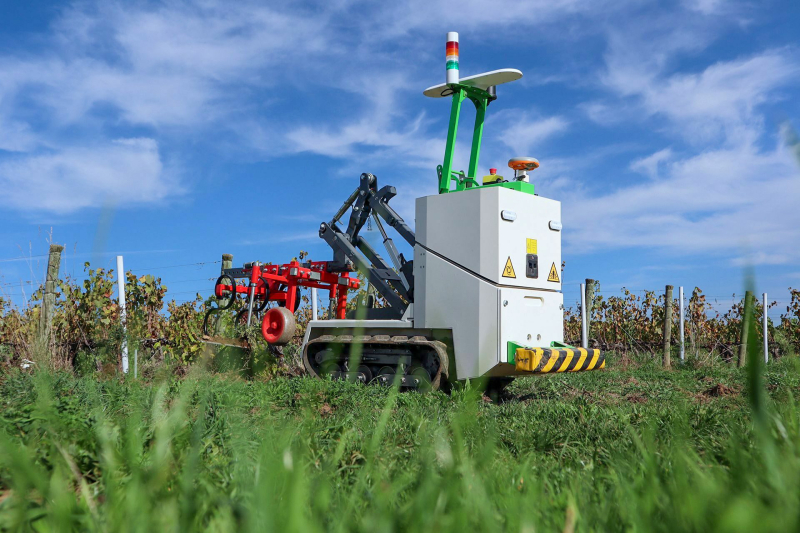
Define the perimeter.
Plan the integration.
To start the project, gather:
- 01
A vehicle drawing and dimensions, identifying potential contact points.
- 02
Intended movements and stopping conditions, including available stopping-distance data.
- 03
Space for the bumper and the required deformation.
- 04
Exposure, cleaning and maintenance conditions.
- 05
Mounting points, cable outlet position and the intended control unit.
The bumper detects contact. The machine processes the signal through the designed function and stops the movement using its own stopping system. Available travel and stopping behaviour must be assessed together.
Shape the component
around the vehicle.
WIDE bumpers are specified for the application: shape, dimensions, covering and connection outlets are defined from the project.
Each bumper is individually tested and supplied with a document stating the measured performance of the configuration supplied.
A moving edge with a different contact geometry may call for a safety edge. Device selection depends on the required function and available space.
- 01
The bumper
Detects contact and provides the signal.
- 02
Control unit and connections
Process the signal within the designed function.
- 03
The stopping system
The machine stops the movement with its own system.
The bumper, control unit, connections and stopping system contribute to the complete function. Risk assessment, selection, installation and validation relate to the vehicle and its operating conditions. A bumper does not provide robot navigation or automatically replace non-contact technologies.
Three projects
already presented by WIDE.
Each card links to the published article
with the full project story.
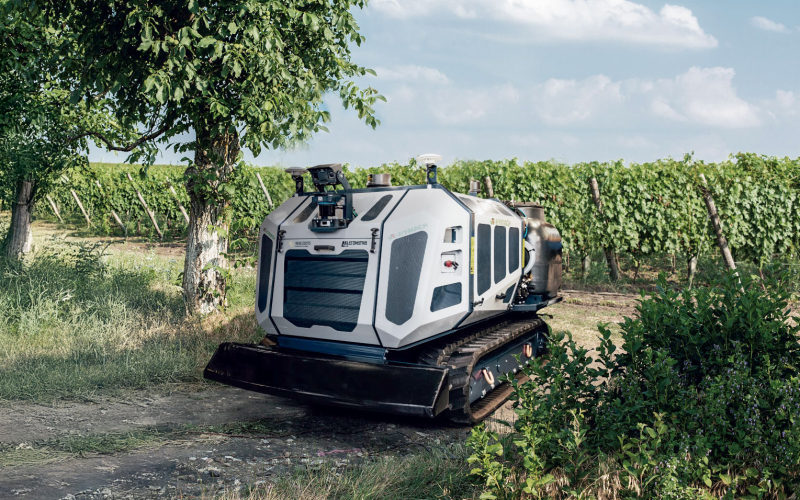 Agricultural robot · Multi-tool
ATOMATIKA · Agricobots
A multi-tool agricultural robot. WIDE’s published project describes the supply of pressure-sensitive bumpers for the tracked vehicle.
Read the project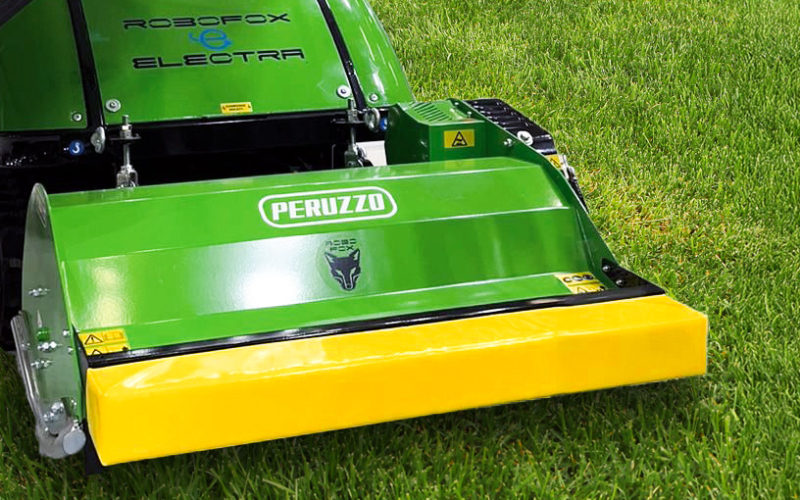 Remote-controlled machine · Grounds maintenance
Robofox Electra · Peruzzo
A tracked, remote-controlled electric flail mower for grounds maintenance. WIDE’s article describes the bumper and integration of its signal into the stopping function.
Read the project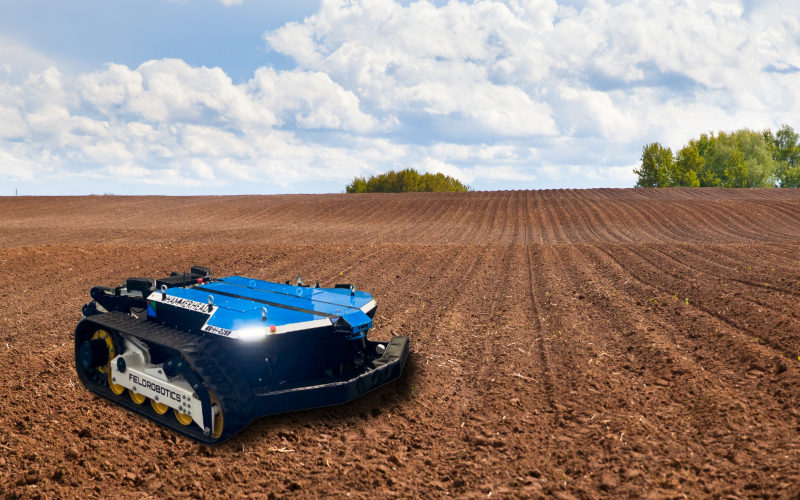 Autonomous robot · Agriculture
HammerHead · FieldRobotics
A robot for autonomous agriculture. WIDE has published the bumper application on this vehicle.
Read the project
Two questions
before you start.
Does a safety bumper make a machine autonomous?
No. It detects contact and provides a signal to integrate into the intended function. Navigation, control and the machine’s response are separate aspects of the project.
Is one bumper suitable for every outdoor environment?
The configuration must be specified for its use. Exposure, cleaning, footprint and stopping conditions need to be assessed before selection.
Start with
your machine.
Send us a vehicle drawing and describe the environment, movement and potential contact points. Together, we can identify the information needed to assess the component.
Tell us about your application